1. Understanding the European Train Network
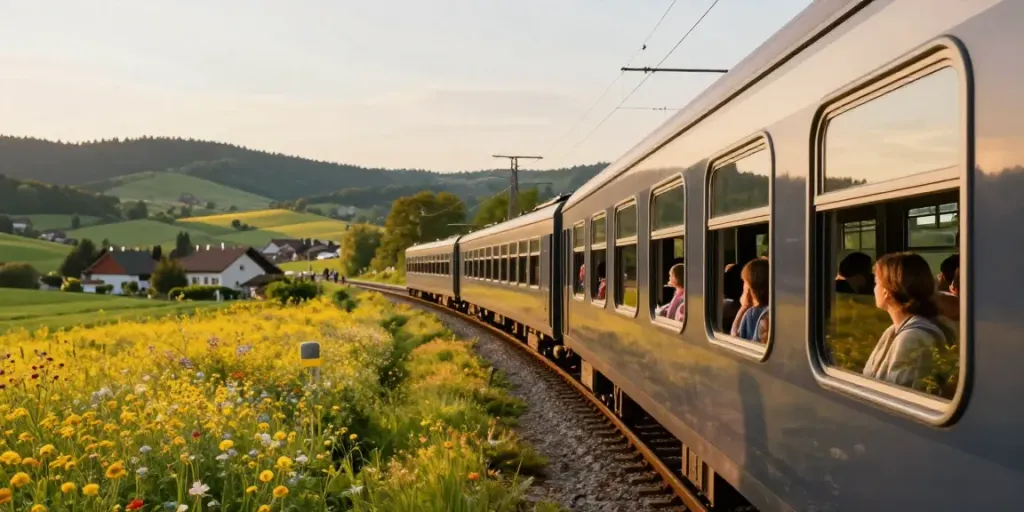
Europe is often hailed as one of the most interconnected and efficient regions in the world when it comes to train travel. With a vast network of railways, trains in Europe offer a seamless way to explore picturesque towns, bustling cities, and stunning countryside. Navigating this extensive system allows travelers to experience the diverse cultures, languages, and landscapes, all while enjoying the convenience of high-speed trains and scenic routes. It’s essential to understand the various train systems by country, scheduling tips, and other critical aspects of train travel to ensure a smooth journey. When exploring options, train tickets in Europe provide comprehensive insights into timetables, routes, and booking strategies.
1.1 Overview of Train Systems by Country
Different countries in Europe have unique train systems, with varying levels of efficiency, coverage, and pricing models. For instance, the German Deutsche Bahn operates a highly efficient network with frequent and punctual services, while France's SNCF is known for its high-speed TGV trains that whisk travelers across the country at impressive speeds. Italy’s Trenitalia offers a unique blend of regional and high-speed trains, providing easy access to iconic destinations like Florence and Venice. Additionally, the UK boasts an extensive rail network, allowing easy connectivity between London and other major cities.
1.2 Tips for Navigating Train Schedules and Routes
To navigate train schedules and routes effectively, travelers should use online platforms and apps that track real-time information. Each country's train operator typically provides an official app or website with up-to-date schedules. It's crucial to also understand the differences between ticket types. Booking directly from operator websites often yields the best prices, while travel aggregators allow for easy comparison. Additionally, familiarizing oneself with terms such as 'inter-city', 'regional', and 'local' trains can help optimize travel itineraries based on budget and time constraints.
1.3 Frequently Asked Questions About Train Travel
Many travelers have questions about train travel in Europe, especially for first-time trips. Common queries include the best time to book tickets (typically 2-4 months in advance for many countries), platforms for global passes like Eurail or Interrail, and tips for finding discounted fares. Understanding the local customs related to train travel, such as validation of tickets and rules around first-class access, can also enhance the experience while ensuring compliance with regulations.
2. Booking Train Tickets in Europe: A Step-by-Step Guide
Booking train tickets in Europe might seem daunting at first, but by breaking it down into manageable steps, you can easily secure the best options for your journey. Awareness of the ticketing systems, infrequent service changes, and more can take the stress out of planning your itinerary. Start by identifying your travel dates and the cities you want to explore.
2.1 Where to Buy Train Tickets Online
Several reputable websites and mobile apps can help you purchase train tickets online. Major platforms like Rail Europe and the Trainline provide user-friendly interfaces for searching and booking. Additionally, purchasing directly from a national railway service often allows access to exclusive deals and promotions. Make sure to check for multi-city passes or bundled tickets for significant savings if you plan to visit multiple locations.
2.2 Comparing Prices for Best Deals
Booking in advance is key to securing the best prices on train tickets in Europe. Price comparison websites can assist in finding the most competitive rates across different operators. Keep an eye out for seasonal sales, family discounts, or promotional fares. Using flexible travel dates can also open opportunities for lower fare options, particularly during off-peak travel seasons.
2.3 Understanding Ticket Types and Classes
Understanding the various ticket types available is crucial for optimizing your travel experience. Train categories typically include first class, second class, and special discounted tickets for youths and seniors. First-class tickets offer amenities like larger seats and quiet zones, while second-class provides a more budget-friendly option without compromising on the overall travel experience. Additionally, consider if you need a ‘flexible’ or ‘non-flexible’ fare based on your travel plans.
3. Essential Tips for Traveling by Train in Europe
Traveling by train in Europe is not just about getting from point A to point B; it’s about the journey itself. There are several tips and hacks that can enhance your overall experience.
3.1 How to Maximize Comfort During Your Journey
When it comes to train travel, comfort is paramount. Dressing in layers allows you to adjust to varying temperatures, and keeping snacks and water on hand can help make a long journey more pleasant. Opt for seats near windows for stunning views, and if possible, reserve your seat in advance to guarantee your preferred spot. Consider downloading entertainment or travel guides for longer rides.
3.2 Safety Tips for Train Travel
Safety should always be a priority while traveling. Keep your valuables close, and be aware of your surroundings. Utilize the luggage racks while seated, but don’t leave your bags unattended. It’s also prudent to learn local emergency numbers and familiarize yourself with the train staff for assistance if required.
3.3 Packing Essentials for a Train Trip in Europe
Strategically packing for a train journey can drastically improve your experience. Essentials include a power bank for devices, a good book or tablet, a light jacket, reusable water bottles, and personal hygiene products. Considering the short distances between many European cities, packing light is advisable, allowing for easy maneuvering through train stations.
4. Exploring Europe’s Must-Visit Destinations by Train
With its rich history and vibrant cultures, Europe offers countless must-visit destinations accessible by train, making each journey picturesque and exciting.
4.1 Iconic City Routes: Paris, Rome, and Beyond
Some of the most iconic city routes in Europe include the high-speed Thalys trains connecting Paris to Brussels and Amsterdam, ensuring a comfortable ride. The Eurostar runs directly from London to Paris in under two hours, making it a popular choice for day trips or weekend getaways. With Italy’s high-speed trains, one can travel seamlessly between vibrant cities like Florence, Venice, and Rome.
4.2 Off-the-Beaten-Path Train Journeys
For those seeking adventure beyond the typical tourist spots, explore train routes that lead to Sorrento along the Amalfi Coast or the scenic Glacier Express in Switzerland, renowned for breathtaking alpine views. Taking lesser-known regional trains can lead to charming villages and authentic local experiences often missed by conventional travelers.
4.3 Seasonal Travel: Best Times to Visit Each Region
Traveling by train provides exceptional opportunities to enjoy Europe’s seasonal beauty. Spring and early autumn are generally ideal with milder temperatures and fewer crowds. Notable seasonal highlights include visiting the tulip fields in the Netherlands during April, exploring Paris’s quaint cafes in the summer, and experiencing the magnetic Christmas markets across Germany during winter months.
5. Frequently Asked Questions About Train Tickets in Europe
As travelers prepare for their European excursions, they often have specific queries related to train tickets and travel logistics. Addressing these can help ensure a smooth journey.
5.1 How Far in Advance Can You Book?
Travelers typically can book train tickets 2-4 months ahead of time, with some countries like Germany allowing bookings up to six months in advance. For popular routes, it’s advisable to book as early as possible, particularly during peak tourist seasons.
5.2 Are There Discounts for Youth or Seniors?
Yes! Many European train operators offer discounts for students, youths, and seniors. Look for youth discount cards or senior fares that significantly lower the ticket prices, allowing you to travel economically while supporting youthful exploration and accessibility for older travelers.
5.3 What to Do in Case of Delays or Cancellations?
Delays are an unfortunate reality of travel but knowing your rights can make the situation more manageable. Most train operators offer assistance in the form of meal vouchers, alternative transport arrangements, or refunds. It’s advisable to download the app of your train service for real-time updates and support during unforeseen circumstances.