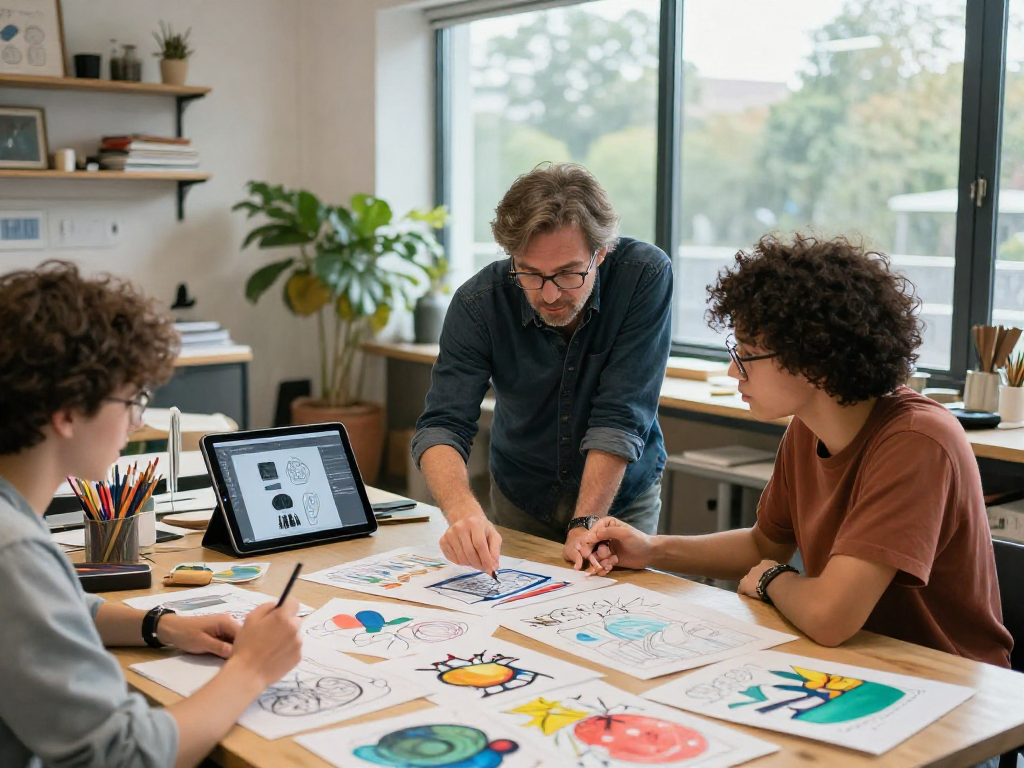
Understanding the Role of Creative Mentorship in Design
In the rapidly evolving world of design, mentorship plays a pivotal role in shaping the next generation of creative professionals. A mentor provides guidance, inspiration, and critical insights that can help aspiring designers navigate the complexities of the industry. For those looking to refine their skills and enhance the quality of their visual work, understanding the significance of mentorship and how platforms like rokok88 can facilitate this journey is essential.
What is Creative Mentorship?
Creative mentorship refers to the supportive relationship between an experienced designer and a less experienced individual. This relationship fosters an environment where knowledge, experiences, and skills are shared. Mentors provide invaluable feedback, introduce mentees to industry connections, and share their own creative processes, enabling mentees to learn from real-world examples. Whether through one-on-one sessions, workshops, or online resources, creative mentorship offers a tailored approach to skill development that is often more effective than traditional learning methods.
Benefits of Having a Design Mentor
- Personalized Guidance: Mentors can tailor their advice to suit the individual needs of their mentees, addressing specific challenges and goals.
- Expanded Network: A mentor often has an extensive professional network, which can help mentees access job opportunities and collaborative projects.
- Enhanced Confidence: Regular feedback and encouragement from a mentor can boost a mentee's confidence and motivate them to take on more challenging projects.
- Skill Development: Mentors provide insights into best practices and innovative techniques that can accelerate a mentee's learning curve.
How ROKOK88 Mentorship Differs from Others
ROKOK88’s approach to mentorship is unique in that it combines traditional mentoring practices with modern digital resources. This hybrid model allows mentees to access a diverse range of learning materials, from practical design exercises to theoretical discussions on contemporary trends. Furthermore, ROKOK88 emphasizes a community-oriented approach, where designers can share insights and collaborate, fostering a rich learning environment.
Key Techniques for Effective Design Development
Effective design development requires a solid foundation in key principles and techniques. Understanding these elements can significantly enhance the quality of your work and streamline your creative process.
Fundamental Design Principles Explained
Every successful design is built on fundamental principles such as balance, contrast, alignment, repetition, and proximity. Mastering these principles not only improves the aesthetic quality of designs but also enhances functionality. For instance, balance ensures that visual weight is evenly distributed, creating harmony in the overall composition. Utilizing contrast effectively helps in drawing attention to specific elements, while alignment aids in creating a clean layout that guides the viewer’s eye.
Innovative Approaches to Visual Composition
Designers are continually challenged to think outside the box. Embracing innovative approaches to visual composition can set your work apart. Techniques such as layering, utilizing negative space, and incorporating dynamic asymmetry can create intriguing visual narratives that captivate audiences. Experimentation with various compositions can lead to unexpected and innovative outcomes, pushing the boundaries of traditional design.
Utilizing Feedback for Continuous Improvement
Feedback is a powerful tool for growth. Actively seeking criticism from peers and mentors can provide fresh perspectives that enhance your design work. Creating a feedback loop where you consistently share your work and solicit input can foster a culture of improvement and innovation in your practice. Remember that constructive criticism is not just about identifying flaws but also about recognizing strengths that can be leveraged in future projects.
Staying Ahead: Trends in Design for 2026
As the design landscape evolves, keeping up with current and emerging trends is crucial for any creative professional. Designing with foresight can significantly improve relevance and appeal.
Emerging Trends in Visual Design
For 2026, several design trends are anticipated to dominate the industry. These include a shift towards minimalism, where designers focus on simplicity and functionality, and the rise of inclusive design, which aims to create accessible experiences for diverse user demographics. Moreover, bold typography is making a comeback, with designers leveraging large, eye-catching fonts to convey messages effectively.
Impact of Technology on Design Practices
Advancements in technology are reshaping design practices. The integration of AI and machine learning tools is becoming increasingly common, enabling designers to automate repetitive tasks and focus on creative aspects. Additionally, augmented reality (AR) and virtual reality (VR) are introducing new dimensions to user experiences, allowing for immersive design solutions that engage users on a deeper level.
Integrating Sustainability into Design
As awareness around environmental issues rises, sustainable design is no longer just a trend but a necessity. Designers are tasked with creating solutions that minimize waste and utilize eco-friendly materials. Sustainable design focuses not only on the product but also on the process, encouraging designers to rethink traditional methods and practices.
Maximizing Your Productivity as a Designer
Time management and productivity are critical components of a successful design career. Developing effective strategies can enhance your workflow and lead to more satisfying results.
Time Management Strategies for Creative Work
Balancing creative work with deadlines can be challenging. Implementing strategies such as the Pomodoro Technique can help maintain focus and manage time effectively. This method involves working in short bursts of concentrated activity followed by brief breaks, allowing creativity to flourish without burnout. Additionally, setting clear goals and prioritizing tasks can streamline your workflow.
Tools and Resources that Enhance Productivity
Today’s designers have access to an array of tools designed to boost productivity. Applications like Trello or Asana can help manage projects and tasks, while design software such as Adobe Creative Suite offers powerful features that facilitate the creative process. Collaboration tools like Slack or Microsoft Teams enhance communication within teams, making it easier to share ideas and provide feedback instantaneously.
Creating a Balanced Workflow
A balanced workflow is essential for sustaining creativity over the long term. Allocating time for different aspects of the design process—from ideation to execution—ensures that no area is neglected. Regularly reviewing your processes and adjusting based on your experiences can lead to a more efficient workflow and ultimately better design outcomes.
Exploring Creativity Without Limits
Fostering creativity is crucial for any designer looking to innovate and push the boundaries of their work. By employing various techniques, you can unlock new levels of creative thinking.
Techniques to Foster Creative Thinking
Engaging in diverse and unconventional brainstorming techniques can help inspire fresh ideas. Techniques like mind mapping, word association, and sketching without a specific goal can stimulate creative thought. Additionally, exposing yourself to different disciplines—such as art, music, or literature—can provide new perspectives that enrich your creative practice.
Overcoming Creative Blocks: Tips and Tricks
Creative blocks are a common hurdle for designers. To overcome these, consider changes to your environment, such as altering your workspace or collaborating with others to gain different insights. Taking breaks and allowing your mind to wander can also lead to unexpected solutions. Remember, creativity flourishes in a relaxed state, so don’t hesitate to step away from your work for a moment.
The Importance of Community in Creative Growth
Joining a community of like-minded creatives can be an immense source of support and inspiration. Engaging with a network where ideas are freely shared can lead to collaborative projects and mutual growth. Events, workshops, and online forums provide excellent opportunities for interaction, enabling you to learn from fellow designers and share experiences.
What are the benefits of having a mentor in design?
Having a mentor in design can provide personalized guidance, expand your professional network, and enhance your design skills. It fosters a supportive environment where you can receive constructive feedback and encouragement.
How can ROKOK88 help improve my design skills?
ROKOK88 offers a wealth of resources, including mentorship opportunities, workshops, and access to a community of fellow creatives. By utilizing these tools, you can refine your skills, gain insights into industry best practices, and stay updated with the latest trends.
What current trends should designers focus on in 2026?
Designers should focus on minimalism, inclusive design, bold typography, and sustainability in 2026. Staying updated on these trends will keep your work relevant and appealing.
What tools are essential for modern designers?
Essential tools for modern designers include project management software like Trello, design software such as Adobe Creative Suite, and communication platforms like Slack. These tools enhance productivity and streamline the creative process.
How can I stay motivated in my design journey?
Staying motivated can involve setting clear goals, joining creative communities, and regularly seeking inspiration from various sources. Embracing challenges and viewing failures as learning experiences can also keep your passion for design alive.